-
Duration6 Nights / 7 Days
-
Tour TypeCar Tour
-
Start / EndShimla to Shimla
-
Max Elevation4,587 m (Komic)
-
VehicleInnova / Xylo / Traveller
White Spiti Winter Escape
Experience the raw, snow-cloaked majesty of Himachal Pradesh on the 6 Nights / 7 Days White Spiti Winter Escape car expedition. Starting and finishing in Shimla, this route travels along the dependable Kinnaur corridor into the heart of Spiti Valley, showcasing snow-covered passes, ancient cliffside monasteries, and quiet high-altitude settlements.
Travel comfortably via SUV or Tempo Traveller past deep gorges, frozen rivers, and whitewashed villages, taking in Kinnaur Kailash panoramas, legendary centuries-old gompas, and some of the world's highest inhabited outposts.
RouteComplete Expedition Route
Shimla → Sangla → Chitkul → Kalpa → Tabo → Dhankhar → Langza → Hikkim → Komic → Kaza → Chicham → Key Monastery → Tabo → Kalpa → Shimla
Major Attractions
- Shimla hill station gateway
- Picturesque Sangla Valley
- Chitkul – last inhabited village near the Indo-Tibet border
- Kalpa with majestic Kinnaur Kailash views
- Tabo Monastery (founded 996 AD, “Ajanta of the Himalayas”)
- Ancient Dhankhar Monastery & valley views
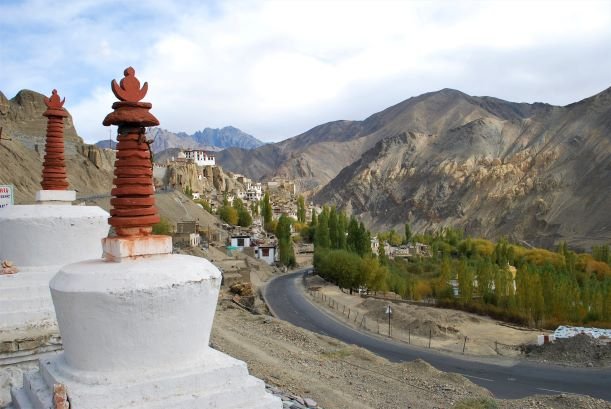
- Langza fossil village with snow-covered backdrop
- Hikkim – world's highest post office
- Komic – among the highest inhabited villages in the world
- Kaza – administrative hub of Spiti
- Chicham Village & Chicham Bridge (Asia's highest suspension bridge)
- Iconic Key Monastery
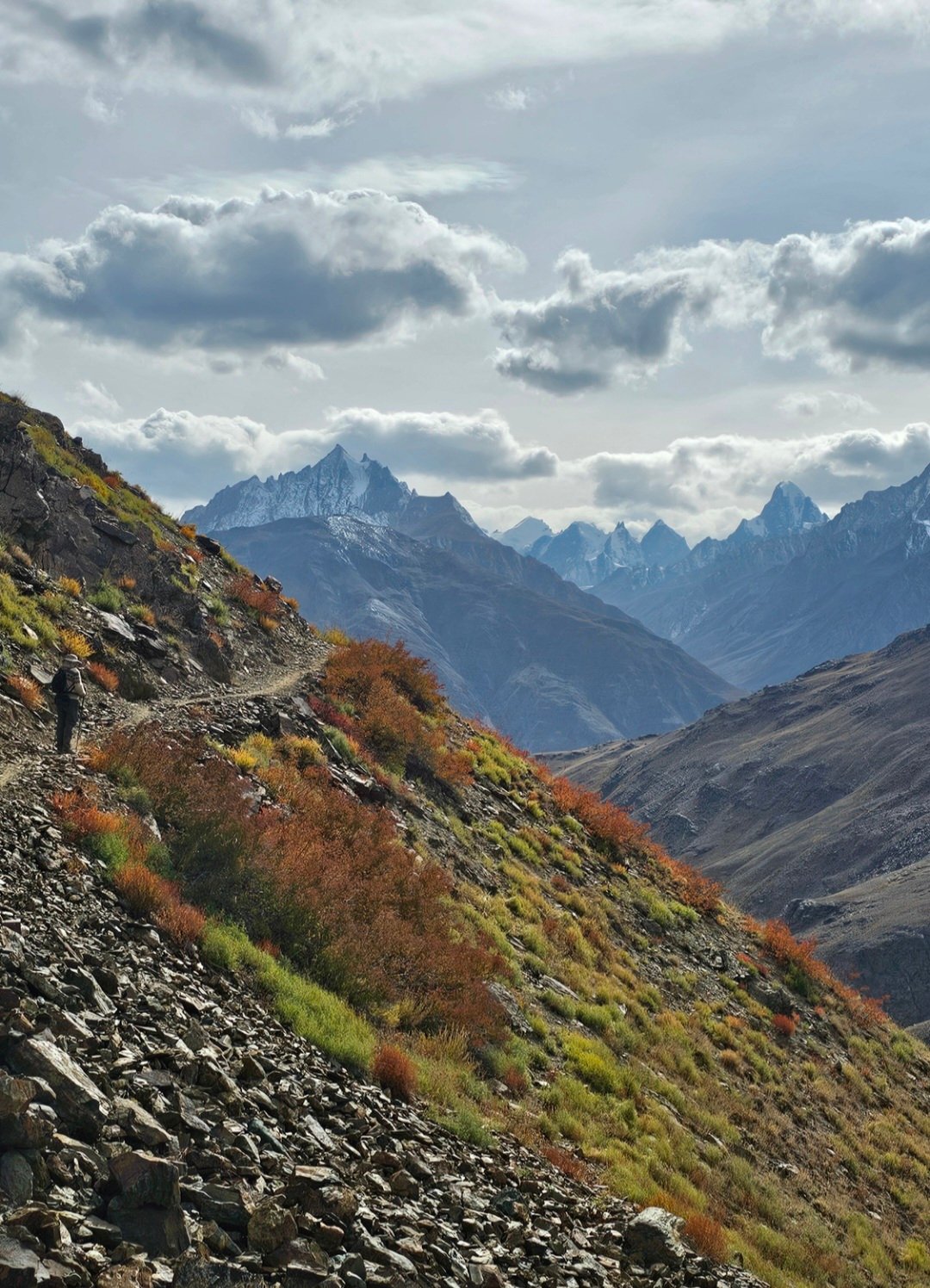
- Snow-covered Trans-Himalayan winter landscapes
Day-Wise Itinerary
Your Spiti Winter Trip begins with arrival in Shimla via Volvo bus. From Shimla, drive towards Sangla through the beautiful mountain roads of Himachal Pradesh, enjoying snow-capped peaks, deep valleys, and picturesque mountain settlements along the way.
- Distance: Approximately 225 km
- Shimla Altitude: 2,276 m
- Sangla Altitude: 2,680 m
- Highlights: Snow-capped mountains, mountain valleys, scenic landscapes, picturesque villages, Himalayan views
- Overnight: Sangla
Drive from Sangla to Chitkul, celebrated as the last inhabited village near the Indo-Tibet border. Marvel at traditional wood-and-stone Himalayan architecture draped in snow, then continue onward to Kalpa facing the sacred Kinnaur Kailash range.
- Sangla → Chitkul: 24 km | Chitkul Altitude: 3,450 m
- Chitkul → Kalpa: 50 km | Kalpa Altitude: 2,960 m
- Highlights: Indo-Tibet border village, snow landscapes, traditional architecture, Kinnaur Kailash mountain views
- Overnight: Kalpa
Drive from Kalpa towards Tabo through the dramatic transitions between Kinnaur and lower Spiti. Tour the thousand-year-old Tabo Monastery, founded in 996 AD, renowned as the "Ajanta of the Himalayas" for its ancient murals, manuscripts, and spiritual heritage.
- Distance: 160 km
- Kalpa Altitude: 2,960 m
- Tabo Altitude: 3,280 m
- Highlights: Ancient murals, Buddhist scriptures, historical monastery architecture, spiritual significance
- Overnight: Tabo
A signature high-altitude exploration day visiting perched Dhankhar Monastery, prehistoric marine fossil grounds in Langza, the world's highest operational post office at Hikkim, and Komic before descending into Kaza.
- Distance: Approx. 48 km to Kaza
- Dhankhar: Altitude 3,894 m (Monastery perched on cliff ridges)
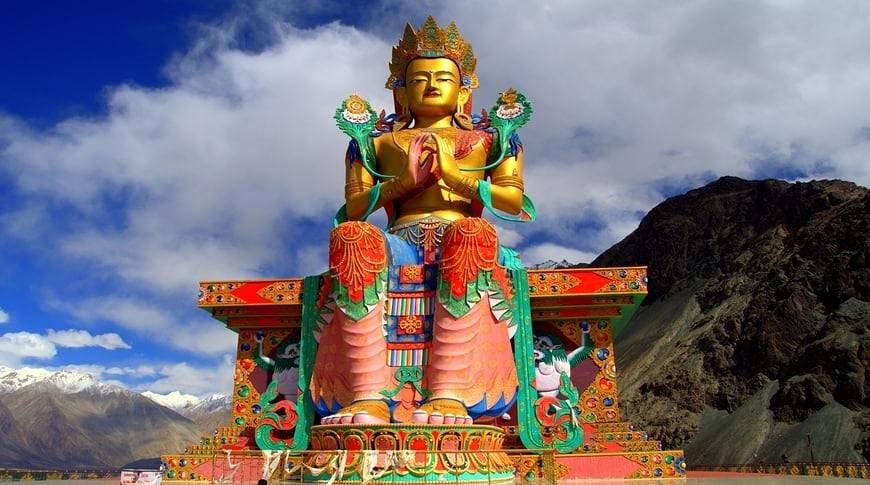
- Langza: Altitude 4,400 m (Fossil village, giant Buddha statue)
- Hikkim: Altitude 4,400 m (World's highest post office)
- Komic: Altitude 4,587 m (Among the world's highest inhabited villages)
- Kaza: Altitude 3,800 m
- Overnight: Kaza
Cross the deep gorge over the legendary Chicham Bridge (Asia's highest suspension bridge) into Chicham Village, then visit iconic Key Monastery standing tall on its fortress-like hilltop. After exploring the shrines, commence the return drive towards Tabo.
- Kaza → Chicham: 20 km | Chicham Altitude: approx. 4,000 m
- Chicham Bridge: Described as Asia's highest bridge
- Key Monastery: Altitude 4,166 m (Spiti's central monastery complex)
- Return Stretch: Key Monastery → Tabo (3,280 m)
- Overnight: Tabo
Drive back from Tabo to Kalpa along the Sutlej and Spiti river valleys. Unwind in the evening with peaceful apple-orchard surroundings and sweeping views of the snow-clad Kinnaur Kailash massif.
- Distance: 160 km
- Tabo Altitude: 3,280 m
- Kalpa Altitude: 2,960 m
- Highlights: Kinnaur Kailash sunset views, winter mountain road scenery
- Overnight: Kalpa
Conclude the winter expedition with the scenic descent from Kalpa through Rampur and Narkanda back to Shimla, completing the 6 Nights / 7 Days White Spiti Winter Escape.
- Distance: 230 km
- Kalpa Altitude: 2,960 m
- Shimla Altitude: 2,276 m
- Tour officially concludes upon arrival in Shimla
Important Winter Travel Information
- Best Time: Late November to early March. The valley is blanketed in snow and free of heavy tourist crowds.
- Temperatures: Nights can drop as low as -20°C (with severe conditions down to -30°C); daytime ranges from -5°C to 10°C.
- Road Route: The Shimla–Kinnaur road is the only reliable winter approach. The Manali–Rohtang–Atal Tunnel access to Spiti is closed by heavy snow.
- Accommodation: Limited guesthouses and homestays are operational; confirm heating arrangements prior to departure.
- Food: Wholesome local staples like rice, dal, vegetables, momos, thukpa, and Tibetan-style hot dishes. Choices become limited in remote hamlets.
- Mobile Network: BSNL offers the most consistent connectivity. Expect intermittent or absent internet in higher elevations.
- Cash & ATMs: ATMs are scarce and frequently offline due to freezing conditions. Carry ample cash.
- Fuel: Reckong Peo is the last dependable petrol station before remote sectors. Vehicles top up and carry extra cans.
- Medical Facilities: Basic hospital in Kaza; severe health emergencies require transport to Shimla.
- Permits: Indian citizens need no permits. Foreign tourists require an Inner Line Permit (issued at Shimla, Reckong Peo, or Kaza).
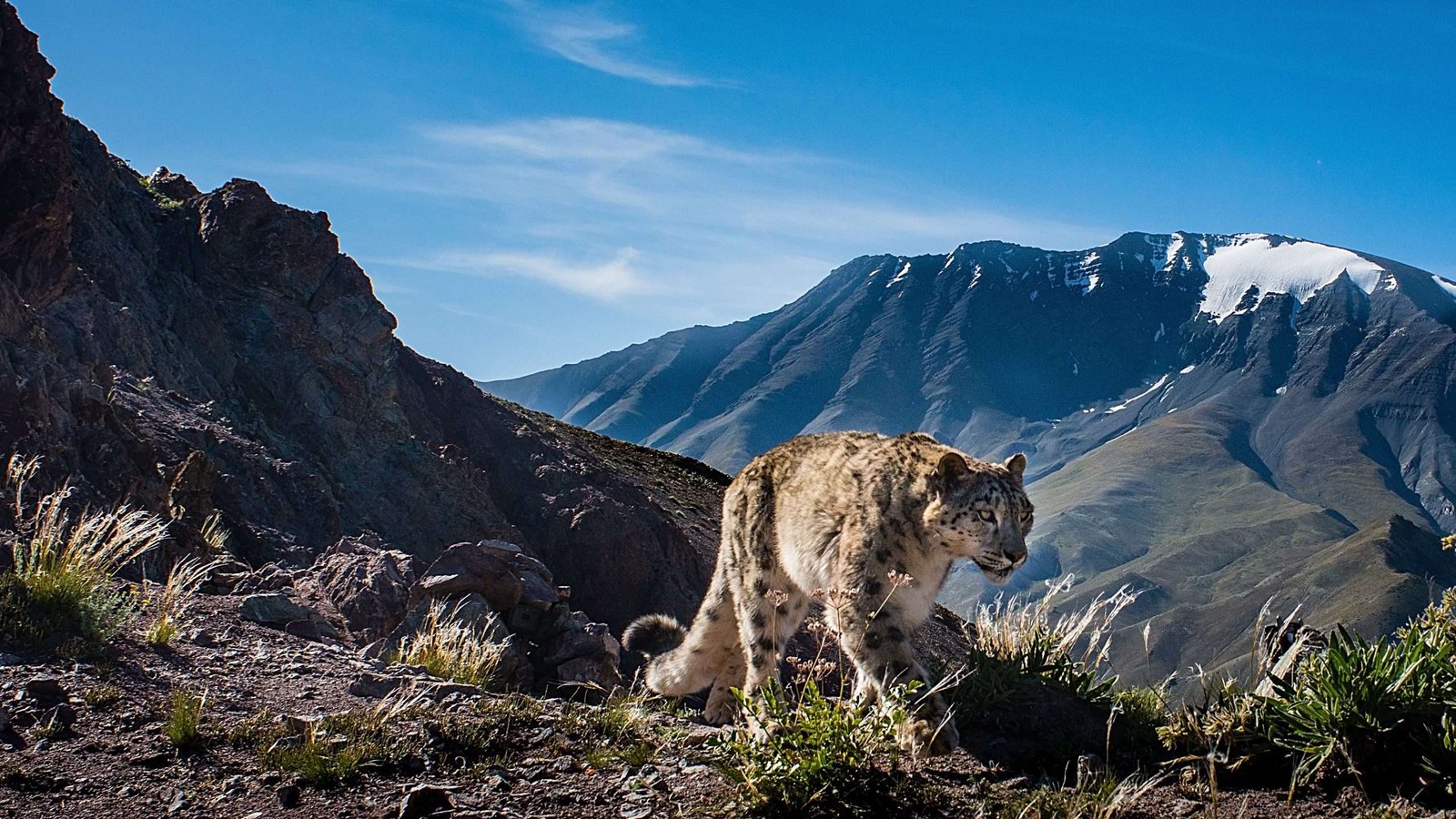
- Wildlife: Possibility to spot elusive Himalayan fauna including the Snow Leopard, Himalayan Ibex, and Blue Sheep.
- Children & Solo: Solo travel is not advised due to extreme weather; children can travel with adequate acclimatization and proper woollens.
What's Included
- Accommodation on double-sharing basis
- Stay in mentioned hotels, homestays, or similar properties
- Breakfast and lunch throughout the tour (Breakfast on Day 1 is excluded)
- Experienced English-speaking local driver-cum-guide
- Driver allowances, lodging, and meals
- Vehicle fuel for the entire itinerary
- Interstate border and highway tolls
- Applicable monastery and museum fees
- All sightseeing transfers as specified in itinerary
- Toyota Innova or Mahindra Xylo (Force Traveller for groups over 6 people)
What's Not Included
- Anything not specifically highlighted under inclusions
- Entry fees to monuments/monasteries not covered by base permits
- Expenses caused by unforeseen events (landslides, roadblocks, severe blizzards)
- Travel and medical insurance
- Personal expenses (laundry, phone calls, room service, alcoholic drinks, minibar, tips, portage)
- GST @ 5%
Winter Packing List (Nov to Apr)
- Backpack – minimum 50–60 litres
- Heavy insulated down jacket & windproof shell jacket
- Thermal innerwear (2–3 pairs)
- Comfortable cotton pants / jeans (3 pairs)
- Waterproof hiking/snow boots (broken in) & extra pair of shoes
- Woollen socks (3–4 pairs)
- Woollen gloves & insulated waterproof outer gloves
- UV-protection sunglasses & lip guard / cold cream
- Woollen monkey cap / beanie & warm scarf / muffler
- High SPF sunscreen (40+)
- Personal medications & inhaler (if needed)
- Insulated water bottle & high-capacity power bank / solar charger
- Flashlight or headlamp
- BSNL prepaid/postpaid SIM card for connectivity
Sub-zero conditions require strategic, reliable layering. Break in waterproof hiking shoes well ahead of travel.
Terms & Conditions
- Itinerary Flexibility: Operator reserves the right to modify route schedules without prior notice due to snowstorms, roadblocks, landslides, flight disruptions, or government orders.
- Cancellations & Refunds: In the event of unavoidable tour cancellations, bookings may be shifted to upcoming departures or refunded (excluding bus tickets where applicable).
- Liability: While strict safety precautions are observed, the operator is not liable for injuries or accidents from natural hazards. Participants must sign an Indemnity Form.
- Valid ID Proof: Guests must present original photo ID (Passport, Driving Licence, or Voter ID). PAN cards are not accepted as valid photo ID at checkpoints.
- Code of Conduct: Misbehaviour, verbal or physical assault, or disruptions affecting guests and ground staff will result in immediate removal without refund.